How to Tell If Your Water Needs Professional Treatment
If you’re wondering how to tell if your water needs professional treatment, local service providers can test and improve water quality to ensure safety and clarity.
If you’ve ever noticed changes in your water quality-such as a strange taste, unusual smell, or visible particles-you might wonder if your water needs professional treatment. Recognizing these signs early can help property owners in the area ensure their water remains safe and clean for everyday use. Understanding when to seek expert assistance can prevent potential health issues and protect plumbing systems from damage caused by contaminants or mineral buildup. This page provides practical insights to help you identify common indicators that suggest a professional water treatment service could be beneficial for your property.
Exploring this topic is especially relevant for property owners who rely on well water or have concerns about local water quality. Local contractors who specialize in water treatment can evaluate your water’s condition, identify specific issues, and recommend effective solutions tailored to your needs. Keep reading to learn how to spot the signs that indicate your water may need professional attention, and discover how trusted service providers in the area can help ensure your water remains safe and reliable.
- Unusual Water Odors or Tastes - When water develops a strange smell or flavor, local contractors can test for contaminants and recommend treatment options.
- - If water appears murky or discolored, local service providers can assess the cause and suggest appropriate filtration or purification solutions.
- - High levels of minerals like iron or manganese may require professional treatment, with local pros providing specialized filtration systems.
- - Persistent clogs or mineral deposits in fixtures can indicate water quality problems that local contractors can address with targeted treatment methods.
- - When particles are present in water, local pros can perform testing and install systems to improve clarity and safety.
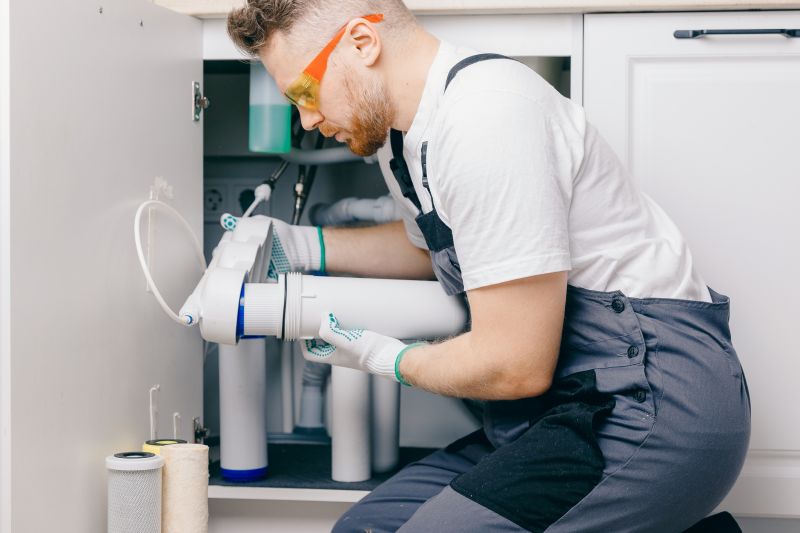
When homeowners search for how to tell if their water needs professional treatment, they are often concerned about the quality and safety of their household water supply. Common reasons for this inquiry include noticing changes in water appearance, taste, or smell, which can be signs of underlying issues. These signs might include cloudiness, a metallic or rotten egg odor, or a strange taste that persists even after running the tap. Such symptoms can indicate the presence of contaminants, mineral buildup, or bacteria that may not be removable through simple filtration or household cleaning. Recognizing these warning signs is an important first step in determining whether professional water treatment services are necessary to ensure the water is safe and suitable for daily use.
This topic also relates to a variety of problems and plans homeowners might have regarding their water supply. For example, some may be experiencing hard water, which causes mineral deposits on fixtures and appliances, or they might be dealing with water that has high levels of iron, manganese, or other metals that can stain laundry and fixtures. Others may be concerned about bacteria, viruses, or chemical pollutants that pose health risks. Homeowners often consider water treatment when planning to improve water quality for drinking, cooking, or bathing, especially if their well water or municipal supply shows signs of contamination or inefficiency. Addressing these issues with professional treatment ensures that water quality meets health standards and reduces the risk of damage to plumbing and appliances.
The types of properties that typically come up in discussions about water treatment needs include rural homes with private wells, older residential buildings, and properties that rely on well water rather than municipal sources. These properties are more likely to experience water quality issues because they are not connected to city water systems that undergo regular testing and treatment. Additionally, homes situated in areas with high mineral content in the soil or groundwater may face persistent hard water problems or mineral buildup. Commercial properties, small businesses, and multi-family complexes may also seek professional water treatment solutions to ensure consistent water quality for their residents or customers. Understanding the property type helps determine the specific treatment approach needed, and local service providers can assess individual situations to recommend appropriate solutions.
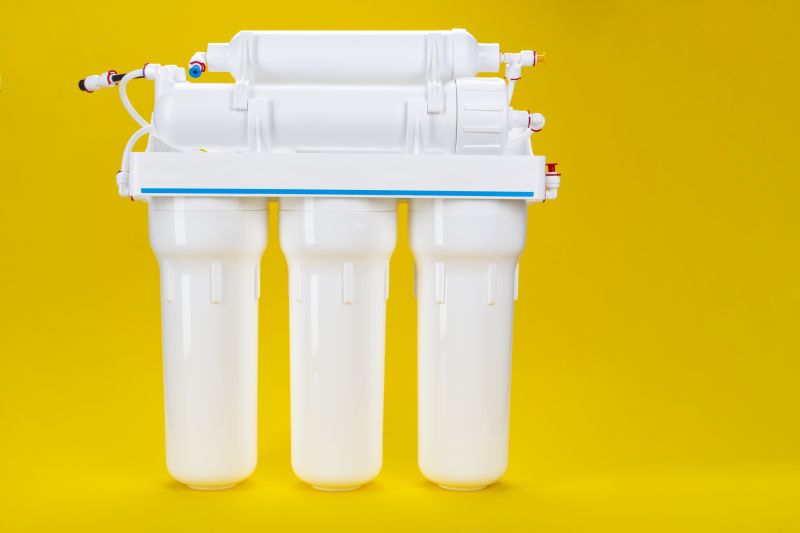
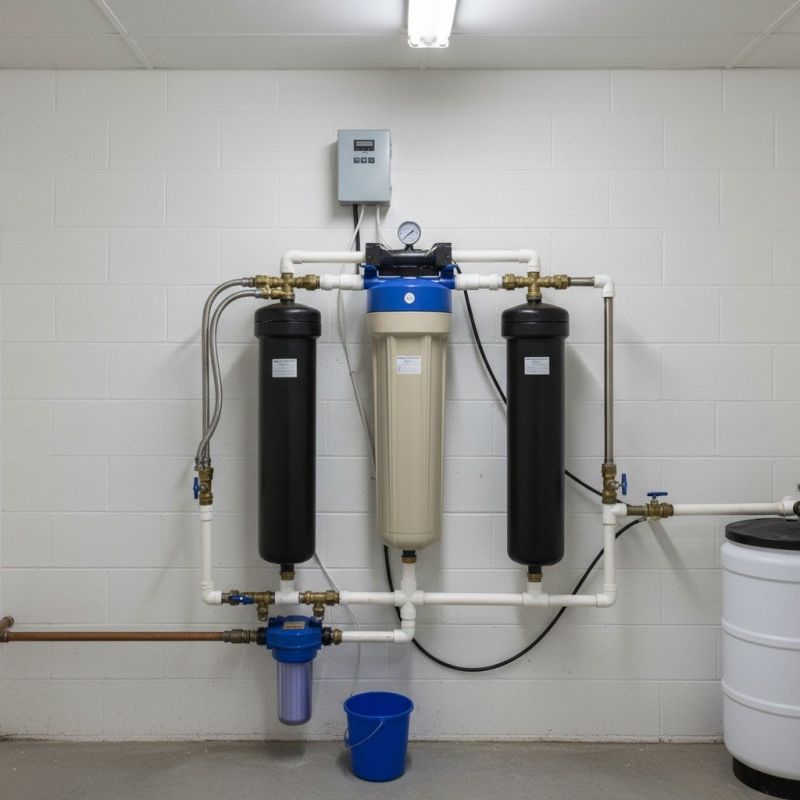
Knowing how to tell if water needs professional treatment is a practical step for homeowners looking to maintain safe, clean water. It connects directly to real projects, such as installing new filtration systems, softeners, or disinfection units, which can significantly improve water quality. Local contractors who specialize in water treatment can evaluate the specific issues a property faces, perform testing if necessary, and recommend tailored solutions. These professionals play a crucial role in helping homeowners address water concerns effectively, ensuring that the water supply is safe for everyday use. By understanding the signs and problems associated with poor water quality, homeowners can make informed decisions and connect with the right local experts to resolve their water treatment needs.
Water testing projects - These involve analyzing water samples to identify contaminants or impurities, a skill closely related to assessing water quality for professional treatment needs.
Plumbing system inspections - Inspecting residential or commercial plumbing can reveal issues with water flow or contamination, helping determine if professional treatment is necessary.
Well water assessments - Evaluating private well systems for safety and purity aligns with understanding when water treatment services are needed to ensure water quality.
Filtration system installations - Installing or upgrading water filtration devices requires planning and knowledge similar to diagnosing water quality problems that call for professional treatment.
Water quality analysis projects - These projects focus on testing and interpreting water data, which supports decisions about whether professional treatment is required.
Home water system upgrades - Improving or replacing existing water treatment solutions involves understanding water issues and coordinating with local contractors for effective results.
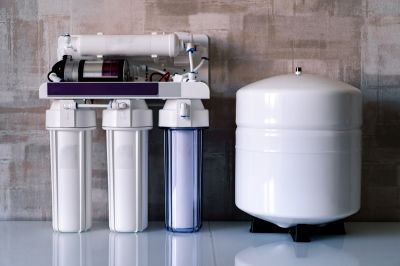
When evaluating professional water treatment services, it’s important to consider the experience of local contractors with similar projects. Homeowners should inquire about how long a service provider has been handling water quality issues and whether they have a track record of successfully addressing concerns like foul odors, discoloration, or inconsistent water pressure. A contractor with relevant experience is more likely to understand the specific challenges that can arise and provide effective solutions tailored to the unique water conditions of the area. This background can help ensure that the chosen service provider has the practical knowledge needed to assess and treat water problems accurately.
Clear, written expectations are a key factor when comparing local service providers for water treatment. Homeowners should seek detailed descriptions of the services offered, including the scope of work, materials used, and any follow-up or maintenance procedures. Having this information in writing helps prevent misunderstandings and ensures that both parties are aligned on what the project entails. It also provides a point of reference should questions or concerns arise during or after the treatment process, fostering transparency and confidence in the contractor’s approach.
Reputable references and good communication are essential qualities to look for in local contractors. Homeowners can ask for references from previous clients who had similar water quality issues, giving insight into the contractor’s reliability and effectiveness. Additionally, service providers who communicate clearly-explaining the problem, outlining potential solutions, and answering questions thoroughly-are more likely to deliver a smooth experience. Good communication helps ensure that homeowners feel informed and comfortable throughout the process, making it easier to evaluate whether a particular professional is capable of meeting their water treatment needs effectively.
Property owners often search for how to tell if your water needs professional treatment when they are planning practical projects around their homes and businesses. Local pros provide Professional Water Treatment services for everyday jobs and straightforward project options.
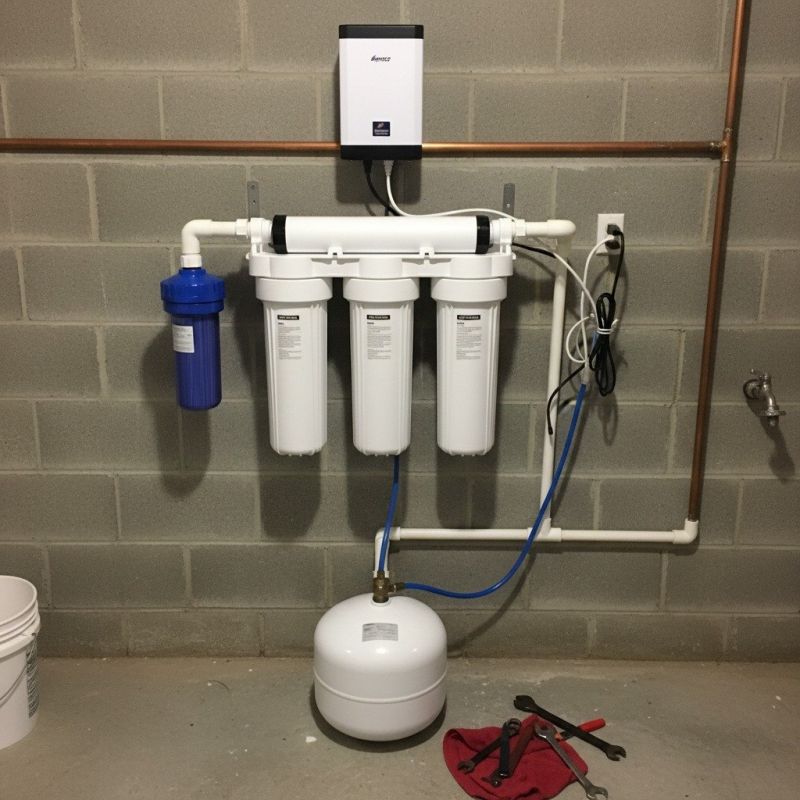
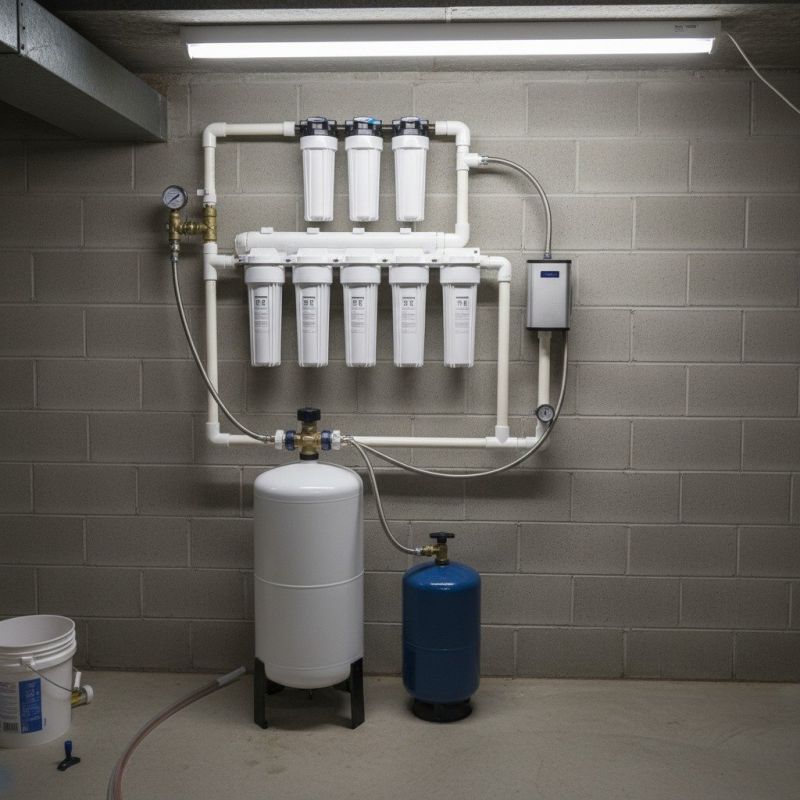
Property owners in the area often wonder how to tell if their water needs professional treatment, especially when they notice changes in taste, odor, or clarity. Common signs include a persistent chlorine or rotten egg smell, unusual discoloration, or a metallic taste that doesn't go away after running the tap. Additionally, if household appliances like dishwashers or washing machines start experiencing buildup or reduced performance, it could indicate underlying water quality issues that require expert assessment and treatment. Recognizing these indicators early can help prevent potential damage to plumbing systems and ensure safe, clean water for everyday use.
Many local property owners seek professional water treatment services when they experience symptoms such as cloudy or discolored water, which may suggest contamination or mineral buildup. Other reasons include noticing skin irritation after bathing or experiencing a sudden increase in water hardness, which can affect soap lathering and appliance longevity. When in doubt about water quality, consulting with local contractors who specialize in water treatment can provide the necessary testing and filtration solutions. These service providers can help determine if the water needs treatment and recommend appropriate systems to improve water safety and quality around the property.
What are common signs that my water may need professional treatment? If your water has a strange taste, odor, or appearance, it could indicate contamination or mineral buildup that requires professional assessment and treatment by local contractors.
How can I tell if my water has high levels of contaminants? Testing for unusual levels of chemicals, bacteria, or sediments can reveal if your water needs professional treatment, which local service providers can perform with proper testing methods.
Are there specific issues in water that suggest the need for professional treatment? Yes, issues such as persistent staining, a metallic or sulfur smell, or cloudy water often point to problems that require the expertise of local water treatment specialists.
What symptoms in household appliances or plumbing indicate water quality problems? Frequent clogs, scale buildup, or damaged fixtures can be signs of water with high mineral content or impurities that should be addressed by local water treatment service providers.
When should I consider professional water treatment services? If water tests show contaminants, or if you notice changes in taste, smell, or appearance, it’s advisable to contact local contractors to evaluate and treat your water properly.
Unusual water taste or odor - noticing a strange or foul taste and smell in your water can indicate the presence of contaminants that require professional treatment.
Discolored or cloudy water - if water appears murky, brown, or has visible particles, local contractors can assess whether filtration or purification systems are needed.
Frequent plumbing issues - persistent clogs, scaling, or pipe corrosion may signal mineral buildup or impurities that professionals can address with specialized treatment.
Unreliable water quality testing - if DIY tests reveal inconsistent or questionable results, local water treatment experts can perform comprehensive assessments to determine necessary solutions.
If you are thinking about how to tell if your water needs professional treatment for a property, this guide is meant to help you understand this topic, the typical project types, and how different options might fit your plans.
When you are ready, you can use the quote form on this page to share a few details about your project. From there, local pros can review the basics and follow up with options that match what you have in mind.